
How to Explain Delivery Estimate Value to Clients (For Agencies and Freelancers)

Building WooCommerce stores for clients? Here's how to explain the value of a delivery estimate in language that actually lands, and what to ask them for.

Building WooCommerce stores for clients? Here's how to explain the value of a delivery estimate in language that actually lands, and what to ask them for.
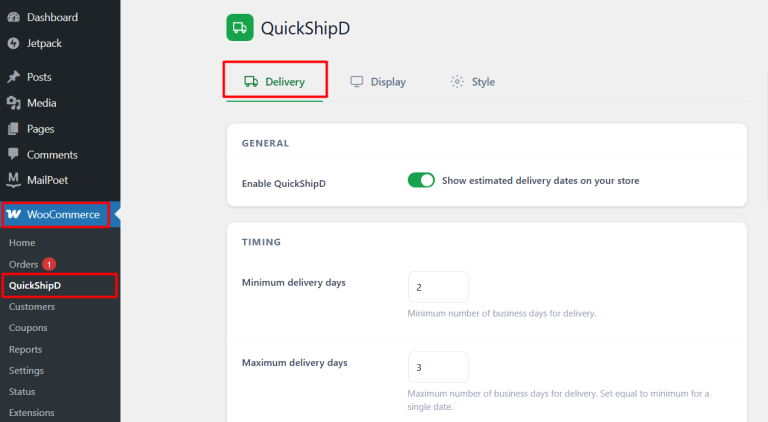
Worried your delivery estimate might break during a site migration or redesign? Here's what typically survives, and what's worth checking directly afterward.

A delivery estimate that was accurate at setup doesn't stay accurate forever. Here's a simple quarterly audit to keep it honest, in under fifteen minutes.
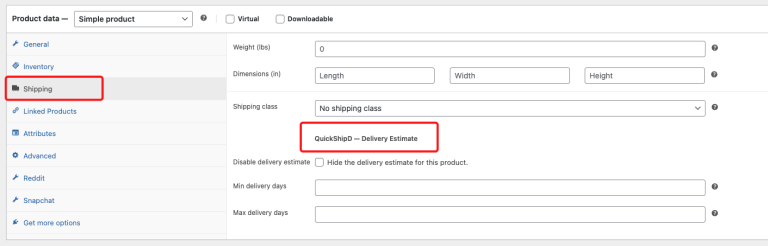
A bulk B2B order often runs on a completely different timeline than a single retail unit. Here's how to handle delivery estimates when quantity changes everything.
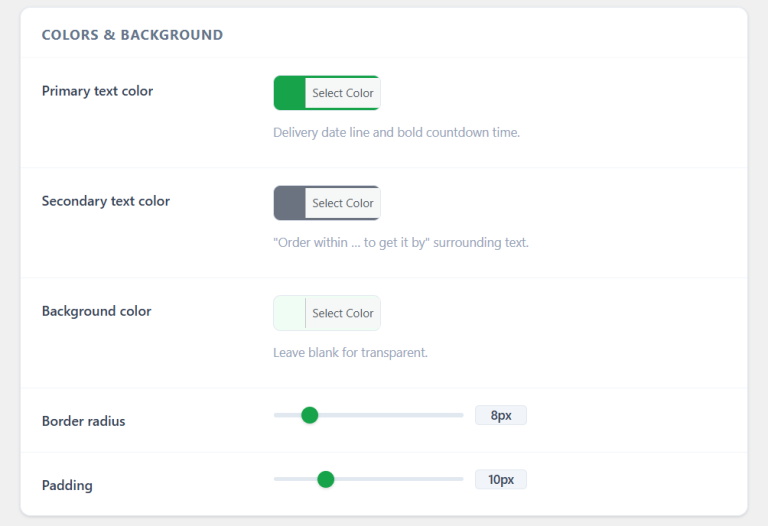
The same delivery estimate can look confident or forgettable depending purely on color and contrast. Here's how to choose colors that actually get read.
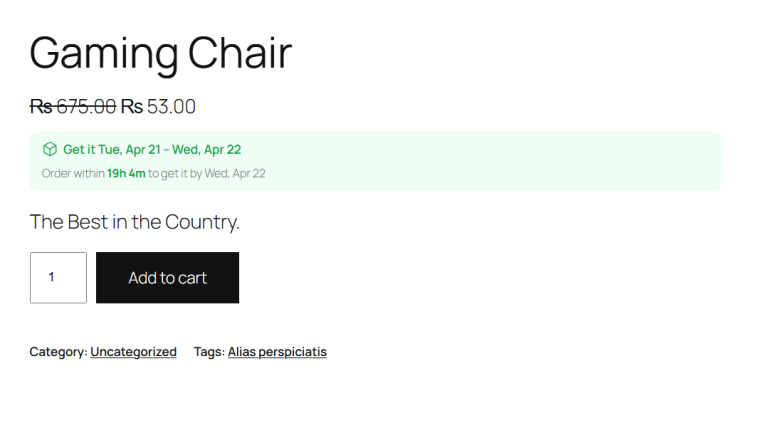
A pre-order needs a different message than a standard delivery estimate — the countdown starts from the release date, not the order date. Here's how to handle it.

A free shipping threshold nudge answers the cost question. Here's how to pair it with a delivery estimate so it answers the timing question too.
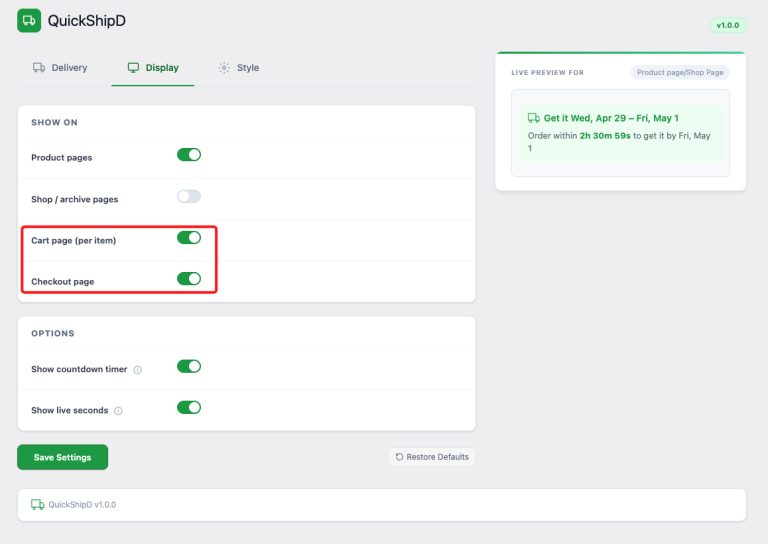
Most shipping policy pages are either missing or unread. Here's how to write one that actually answers the questions customers have before they'll buy.
Shipping from more than one warehouse can make delivery faster — but only if your estimate reflects it. Here's how to calculate accurate windows across multiple locations.
Subscription boxes need a different delivery estimate approach than one-time orders. Here's why, and how to handle both the first box and the recurring schedule.
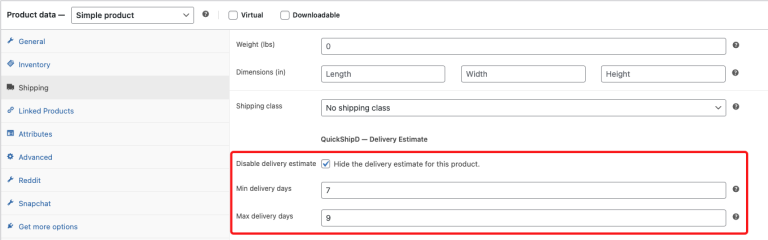
Dropshipping makes delivery estimates harder to get right — your supplier controls the timeline, not you. Here's how to set a realistic estimate anyway.
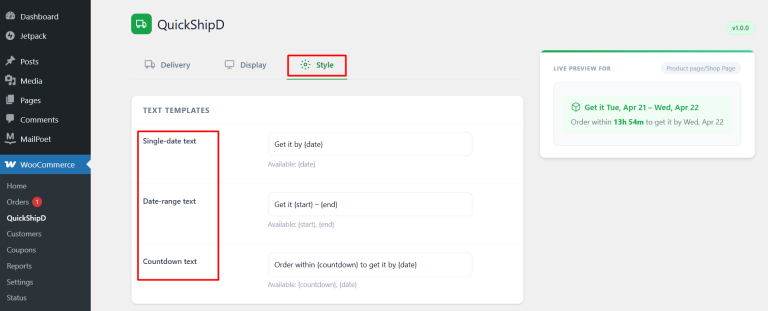
Assuming your delivery date wording is optimal is different from testing it. Here's how to actually A/B test delivery date messaging with the tools most WooCommerce stores have.